Eco Land GC, If You’re Hesitating—This Guide Ends It All
– A Complete Real-World Round Guide from a Pro’s Perspective –
When planning a golf trip to Jeju, the hardest question is actually very simple:
“Which course will I not regret choosing?”
Eco Land Golf Course is one of those places everyone has heard of—but once you actually play it, opinions tend to split.
And the reason is clear.
It looks comfortable, but plays completely differently.
This is not a course you can judge with a simple
“good vs bad.”
👉 If you understand the course, satisfaction is high
👉 If you rely on feel, your score will collapse
This guide goes beyond basic information and focuses on:
- Real round flow
- Actual cost structure
- Key scoring factors
—all explained from a professional, strategic perspective.
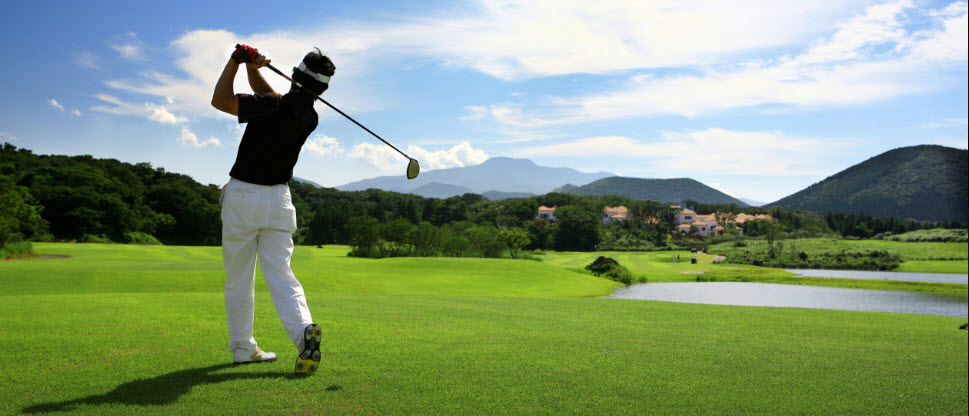
1. Key Summary at a Glance
If you had to define Eco Land GC in one sentence:
👉 “The tee shot guides you, the second shot decides, and the green judges.”
- Tee shot: Looks wide and comfortable
- Second shot: Wrong distance/angle = difficulty spikes
- Green: Undulation + poor distance control = 3-putt structure
The biggest misconception:
👉 “If the tee shot is easy, the course must be easy” → Completely wrong
This is a classic:
👉 Second-shot-driven strategic course
2. Location & Accessibility (Critical for Travel)
Located in Jocheon-eup, eastern Jeju
- 30–40 minutes from the airport
- Excellent access to Hamdeok / Seongsan / Udo
👉 Key point:
“Perfect for a first-round course on arrival day”
Travel fatigue matters more than you think in Jeju golf.
This course minimizes that stress.
👉 Strong advantage for golf + travel combinations
3. Course Structure – The Essence of a Natural Course
Eco Land GC is a 27-hole natural terrain course.
And “natural” doesn’t mean pretty.
👉 Natural = untouched terrain ⭕
👉 Not just visually appealing ❌
Which means:
- Uneven lies
- Constant elevation changes
- Inconsistent landing zones
👉 Result:
“Position matters more than a good shot.”
4. Why the Tee Shot Feels Easy (The Biggest Illusion)
Most players have the same first impression:
👉 “This looks wide and easy.”
That’s intentional design.
- Open visuals → psychological comfort
- Actual landing zones → controlled
- Only certain angles → playable next shot
👉 Core insight:
“The center is not always the correct target.”
From a pro’s perspective:
👉 Tee shot goal:
- Fairway center ❌
- Position for next shot ⭕
5. The Second Shot is Where Scores Are Decided
This is where the real difficulty begins.
- Defensive green complexes
- Pin position dramatically changes difficulty
- Wind + terrain constantly affect shots
👉 Key principle:
“Don’t aim at the pin—identify the safe zone first.”
Common mistake:
- Aggression → pin hunting → miss → trouble
- Result → double bogey pattern
👉 Solution:
Play based on acceptable miss margins
6. Distance Illusion – The Real Score Killer
The biggest scoring issue here is NOT swing.
👉 It’s distance misjudgment
Why?
- Forest compresses visual perception
- Elevation distorts yardage
- Wind alters actual carry
👉 Result:
Wrong club → missed green → 3-putt
👉 Pro solution:
- Use a rangefinder (mandatory)
- Always consider +1 / -1 club
- Trust numbers, not feel
👉 One-line summary:
“If you trust what you see, you will fail.”
7. No-Caddie Play – Advantage and Trap
One of the defining features.
✔ Pros
- Lower cost
- More freedom
- Less pressure
✔ Cons
- You judge distance yourself
- You manage strategy yourself
- Tempo control becomes harder
👉 Truth:
“No-caddie doesn’t make it easier—it increases responsibility.”
For beginners:
👉 Taking a caddie can actually save strokes

8. Cost Structure – Must Be Viewed Realistically
Green fee
- Weekday: ~100,000–130,000 KRW
- Weekend: ~130,000–160,000 KRW
Additional costs
- Cart: ~80,000–100,000 KRW per team
- Caddie: ~130,000–150,000 KRW per team
👉 Real cost (per person, 4 players)
- No caddie: ~120,000–160,000 KRW
- With caddie: ~160,000–200,000 KRW
👉 Key insight:
“Looking only at green fees is misleading.”
9. Value Assessment (Honest Take)
Eco Land GC sits here:
👉 “Not premium, but high satisfaction for the experience.”
✔ Strengths
- Natural environment
- Strategic playability
- Accessibility
✔ Weaknesses
- Variable turf conditions
- Not perfectly maintained at all times
👉 Conclusion:
“Strong value for the price.”
10. Pros & Cons
✔ Pros
- Authentic Jeju natural vibe
- Quiet, immersive rounds
- Strategic challenge
- Optional no-caddie play
❌ Cons
- Severe distance illusions
- Difficult for beginners
- Condition inconsistency
- Punishing without strategy
11. Who Should (and Shouldn’t) Play
✔ Recommended for
- First round on a Jeju trip
- Value-focused golfers
- Strategic players
- Fans of natural terrain courses
❌ Not recommended for
- Those expecting pristine conditions
- Beginners relying heavily on caddies
- Players wanting simple, straightforward golf
12. Practical Strategy (Pro-Level Essentials)
👉 Tee Shot
- Center fairway ❌
- Position for angle ⭕
👉 Second Shot
- Prioritize safe zones over pins
- Aggression = immediate penalty
👉 Greens
- Strong undulation
- Poor distance control = automatic 3-putt
👉 Overall Strategy
“Probability over aggression.”
13. On-Course Atmosphere
This course feels different.
- Quiet
- Immersive in nature
- Relaxed pacing
👉 One line:
“A rare blend of healing and strategy.”
14. Fit with Jeju Travel
Eco Land GC is not just a golf course.
👉 It’s a key piece of your travel route
- Connects well with Hamdeok / Seongsan / Udo
- Ideal first-day round
- Low 부담, smooth start
👉 Recommended combo:
“Eco Land + one premium course”
15. Booking Strategy (Real Tips)
- Monitor cancellations
- Use phone booking
- Secure tee times 2–3 weeks ahead in peak season
- Time selection matters
👉 Key insight:
“In Jeju golf, booking is half the game.”
Final Conclusion
Eco Land GC cannot be judged as simply “good” or “bad.”
👉 Its true nature is:
- Natural
- Strategic
- Self-managed
It looks easy—but:
👉 If you play without thinking, you will fall apart
But on the flip side:
👉 “If you understand the course, satisfaction increases dramatically.”